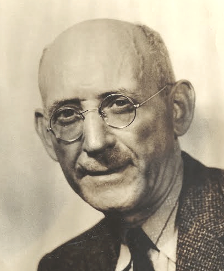
Jimmy Gralton
Jimmy Gralton (1886–1945) was a community activist from Effrinagh, Drumsna, near Carrick-on-Shannon in County Leitrim, and the only Irish citizen ever deported by the Irish Free State.
After emigrating to the United States in the early years of the 20th century, Gralton became involved in labour organising and left-wing politics. When he returned home during the War of Independence, he found a community stripped of its gathering place. The local hall had been burned by the Black and Tans. There was nowhere left to meet, to dance, to learn, or simply to be together. So Jimmy did something radical in its simplicity. He built a hall.
In 1921, on his own land in Effrinagh, and with the voluntary labour and belief of the local people, Pearse–Connolly Hall rose from the ground. It belonged to everyone. Inside, there were renowned dances and lectures, political meetings and Irish classes. New music and new steps arrived in rural Leitrim, and with them came ideas, confidence and possibility. The hall became a place where young people felt seen, where bodies moved freely, and where community life flourished.
From the outset, the hall was watched. The Church and local priests condemned Gralton’s politics, the music, the dancing, and socialising of the people. Those who attended dances were named from pulpits, scrutinised and shamed. Supporters of the hall were branded dangerous, immoral, subversive. The said the Devil was in that dance hall!
Condemnation soon turned to intimidation and in 1922 Gralton closed the hall and once again left for the United States.
Ten years later, believing Ireland had changed, Jimmy came home again. Under Éamon de Valera’s new government, he reopened the hall. It thrived. Huge dance nights filled the space, with people travelling from neighbouring counties to attend. The jazz rhythms of the roaring twenties crossed the Atlantic and folded themselves into Irish music, and once more the hall pulsed with life.
But the opposition returned almost immediately. Shots were fired into the hall while people danced. Landmines were placed beneath the floor and on Christmas Eve 1932, Gralton’s Hall was attacked and burned to the ground.
Soon after, Gralton was accused of communist agitation and public disorder. He was labelled “an undesirable alien”. In 1933, despite being born in Ireland, he was served with a deportation order, arrested and forcibly removed from his own country. The only Irishman ever deported by the Irish Free State.
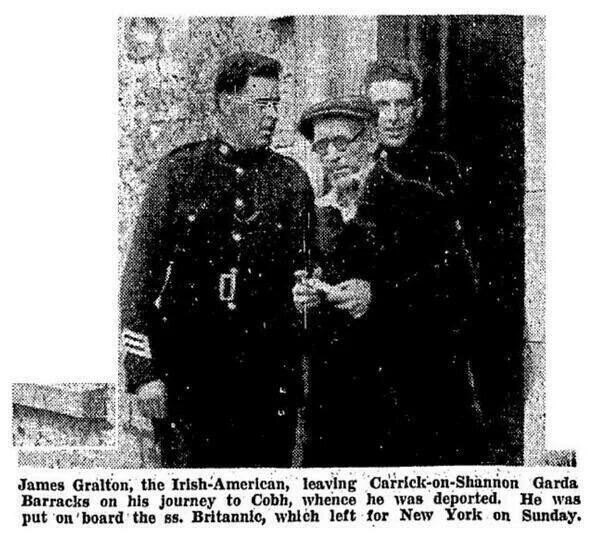
Jimmy Gralton spent the rest of his life in New York. He never returned home. He died in 1945.
His story endures not only as a political injustice, but as a human one - a reminder of what can happen when music, movement and community threaten those in power, and of how fiercely ordinary people once fought for the right to gather, to dance, and to imagine something better.
In 2013, acclaimed filmmaker Ken Loach and his team brought the remarkable story of Jimmy Gralton and his hall to the international stage with a film shot in Leitrim, called Jimmy’s Hall.
In a powerful moment of acknowledgement, President of Ireland Michael D. Higgins later unveiled a monument to Jimmy Gralton and offered a formal apology to his family on behalf of the State for what he endured